Evolving Issues with Freestanding Emergency Center Charges

In 2019 the Texas Legislative session passed several new laws related to freestanding emergency centers. These laws attempt to restrain what freestanding emergency centers charge and established a new arbitration process for resolving fee disputes over out-of-network emergency services. RPC can provide data and expert testimony in arbitrations involving freestanding emergency centers. We can also help facilities avoid charging “unconscionable” fees.


By |2020-11-19T16:59:46-06:00December 18th, 2019|RPC Blog|Comments Off on Evolving Issues with Freestanding Emergency Center Charges

Changes Made to CON Laws in 2019

In 2019, several state legislatures considered legislation to revise CON laws. Seven states passed bills that affected their CON programs: Florida, Georgia, Maryland, Ohio, Vermont, Virginia, and Washington.

By |2025-01-15T17:24:56-06:00December 12th, 2019|RPC Blog|Comments Off on Changes Made to CON Laws in 2019

Damages Experts for Healthcare Litigation

RPC has assisted commercial litigators with significant healthcare cases, including those listed below. These are typical of the healthcare litigation in which RPC has been providing expert reports and testimony for 45 years:  We've provided liability and damages analysis for: a relator in qui tam litigation in which an orthopedic surgeon and hospital filed false [...]

By |2019-11-21T15:32:48-06:00November 21st, 2019|RPC Blog|Comments Off on Damages Experts for Healthcare Litigation

The Impact of House Bill 1693 on Section 18.001

The 86th regular session of the Texas Legislature passed House Bill 1693, An Act relating to affidavits concerning cost and necessity of services. This act, signed into law by Governor Greg Abbott, makes important changes to the Civil Practice and Remedies Code, Section 18.001.

By |2019-09-13T16:08:44-05:00July 23rd, 2019|RPC Blog|Comments Off on The Impact of House Bill 1693 on Section 18.001

Consequential Damage in Business Interruptions

Business Interruption insurance claims are initiated as a result of a covered peril (physical damage) as coverage for consequential damages when owners are partially or totally precluded from using their insured and affected property to conduct business.

By |2020-01-15T16:40:16-06:00July 16th, 2019|RPC Blog|Comments Off on Consequential Damage in Business Interruptions

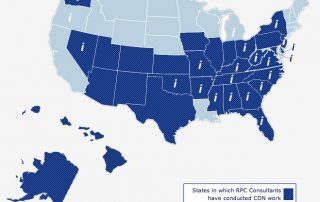
RPC’S Recent Certificate of Need Projects

RPC was very busy in 2018 and 2019 preparing Certificate of Need (“CON”) applications and presenting expert testimony in public hearings and administrative appeals. We worked on a wide range of projects in multiple states. Here are some highlights of our CON team’s recent work

By |2019-09-13T16:13:54-05:00April 24th, 2019|RPC Blog|Comments Off on RPC’S Recent Certificate of Need Projects

Calculating Social Security Benefits in Lost Earnings and Loss of Earning Capacity Analyses

In personal injury and employment litigation, forensic economists calculate the impact of the event on the past earnings and future earning capacity of the plaintiff. One component of this element of damages is the loss of future Social Security retirement benefits.

By |2024-01-22T18:23:46-06:00October 2nd, 2018|RPC Blog|Comments Off on Calculating Social Security Benefits in Lost Earnings and Loss of Earning Capacity Analyses

The Impact of Glenn v. Leal on Medical Malpractice Damages and Life Care Plans

Two issues decided by the First Court of Appeals of Texas in the recent Glenn v. Leal case impact the likelihood and calculation of damages in medical malpractice and other personal injury cases. The second issue is relevant for life care plans.

By |2018-12-19T03:23:23-06:00September 4th, 2018|RPC Blog|Comments Off on The Impact of Glenn v. Leal on Medical Malpractice Damages and Life Care Plans

Determining Usual, Customary and Reasonable Charges: An Overview

Because a personal injury plaintiff may lack health insurance or the providers did not file claims with the plaintiff\'s health plan, a UCR analysis of medical claims may help establish reasonable amounts for past and future medical expenses.

By |2023-07-26T16:00:14-05:00July 31st, 2018|RPC Blog|Comments Off on Determining Usual, Customary and Reasonable Charges: An Overview
Go to Top